
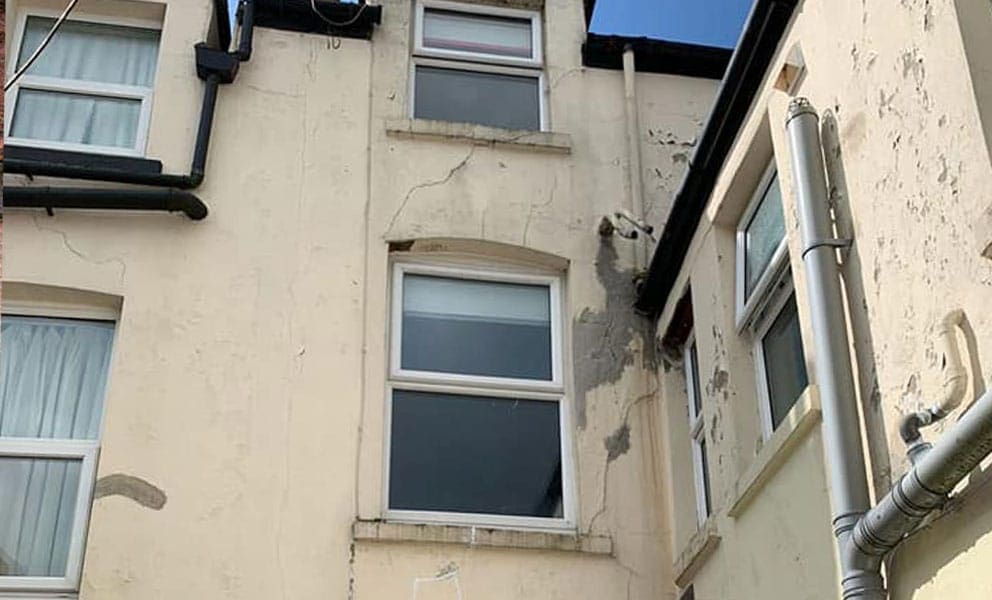
The Role of Preventive Maintenance in Extending Building Lifespan
Buildings, whether residential, commercial, or industrial, are significant investments that require ongoing care to maintain their value and functionality. Preventive maintenance is a proactive approach that focuses on regular inspections, upkeep, and timely repairs to prevent minor issues from becoming major problems. This strategy not only enhances the safety and comfort of a building’s occupants but also extends the overall lifespan of the structure. In this blog, we’ll explore the critical role of preventive maintenance in building management and how it can protect your investment in the long run.
Understanding Preventive Maintenance
Preventive maintenance involves scheduled, routine inspections and repairs designed to keep a building’s components in optimal condition. Unlike reactive maintenance, which addresses issues as they arise, preventive maintenance aims to identify and resolve potential problems before they cause significant damage or disruption. This approach includes regular tasks such as cleaning, lubrication, adjustments, and part replacements, all tailored to the specific needs of the building.
Key Benefits of Preventive Maintenance
- Prolongs Building Lifespan
- Regular maintenance helps preserve the structural integrity of a building, preventing deterioration caused by wear and tear. By addressing minor issues such as leaks, cracks, or corrosion early on, preventive maintenance reduces the likelihood of costly structural failures that could shorten the building’s lifespan.
- Reduces Long-Term Repair Costs
- Preventive maintenance can save significant costs by addressing small issues before they escalate into major, expensive repairs. For example, routine inspections of plumbing systems can catch leaks early, preventing water damage that could lead to costly repairs.
- Enhances Safety and Compliance
- Keeping a building well-maintained ensures it meets safety standards and regulatory requirements, protecting occupants from potential hazards like electrical failures, fire risks, or structural weaknesses. Regular checks of safety systems such as fire alarms, sprinkler systems, and emergency lighting ensure they are functioning correctly when needed.
- Improves Energy Efficiency
- Well-maintained buildings tend to be more energy-efficient, as systems such as HVAC, lighting, and insulation perform optimally. Regular maintenance of heating and cooling systems, for example, can reduce energy consumption, leading to lower utility bills and a smaller carbon footprint.
- Maintains Aesthetic Appeal and Value
- Preventive maintenance keeps the building looking its best, which is crucial for both property value and occupant satisfaction. Regular cleaning, painting, and repairs to visible areas like facades, windows, and landscaping contribute to a positive image and higher property value.
Key Areas of Preventive Maintenance
- Structural Inspections and Repairs
- Regularly inspect the building’s structure, including foundations, walls, roofs, and load-bearing elements. Look for signs of wear such as cracks, moisture intrusion, or uneven settlement. Addressing these issues early can prevent more severe damage.
- HVAC System Maintenance
- Heating, ventilation, and air conditioning systems are critical for indoor comfort. Preventive maintenance tasks include cleaning filters, inspecting ducts, checking for leaks, and ensuring that the system operates efficiently. These steps help prevent breakdowns and extend the life of HVAC equipment.
- Electrical System Checks
- Regular inspections of electrical systems help prevent potential hazards like short circuits, electrical fires, or power outages. Tasks include checking wiring, testing circuit breakers, and ensuring that all electrical components are up to code.
- Plumbing and Water Systems
- Plumbing issues can quickly escalate, leading to water damage, mold growth, and structural problems. Routine checks of pipes, drains, water heaters, and fixtures can catch leaks early and ensure the system operates efficiently.
- Roof Maintenance
- The roof is one of the most vulnerable parts of a building, exposed to weather conditions that can cause wear and tear. Regular inspections for missing shingles, damaged flashing, and clogged gutters can prevent leaks and water damage.
- Facade and Exterior Maintenance
- Maintaining the exterior of a building is essential for curb appeal and protection against the elements. Regular cleaning, painting, and repairs to windows, doors, and cladding materials keep the building looking good and protect the structure from weather-related damage.
- Fire Safety Systems
- Fire alarms, sprinkler systems, and extinguishers should be regularly inspected and tested to ensure they are in working order. Proper maintenance of these systems is not only a legal requirement but also essential for occupant safety.
- Elevator and Escalator Maintenance
- Regular inspections and servicing of elevators and escalators are crucial to ensure they operate safely and efficiently. Preventive maintenance reduces the risk of breakdowns and extends the equipment’s lifespan.
Implementing a Preventive Maintenance Program
Creating an effective preventive maintenance program involves several key steps:
- Develop a Maintenance Schedule
- Create a detailed maintenance schedule that outlines tasks, frequencies, and responsible parties. This schedule should cover all critical systems and components of the building.
- Keep Detailed Records
- Maintain comprehensive records of all inspections, repairs, and maintenance activities. This documentation helps track the building’s condition, plan future maintenance, and demonstrate compliance with safety standards.
- Train Maintenance Staff
- Ensure that maintenance staff are properly trained and equipped to perform their tasks. This includes understanding the specific needs of the building and staying up-to-date with the latest maintenance techniques and technologies.
- Use Technology for Efficient Management
- Consider using building management software to automate scheduling, track tasks, and monitor the performance of systems. Technology can help identify issues early and streamline the maintenance process.
- Conduct Regular Reviews and Updates
- Periodically review and update the maintenance program to address new issues or changes in the building’s use. Continuous improvement ensures that the preventive maintenance program remains effective over time.
Conclusion
Preventive maintenance is a smart, cost-effective strategy that extends the lifespan of a building while enhancing safety, efficiency, and value. By investing in regular upkeep, property owners and managers can avoid the pitfalls of reactive maintenance, reducing long-term costs and ensuring that their buildings remain in excellent condition. A proactive approach not only protects your investment but also creates a safer, more comfortable environment for all occupants.